
10 Game Changing Ways AI Marketing Is Transformative for SEO Pros and Copywriters
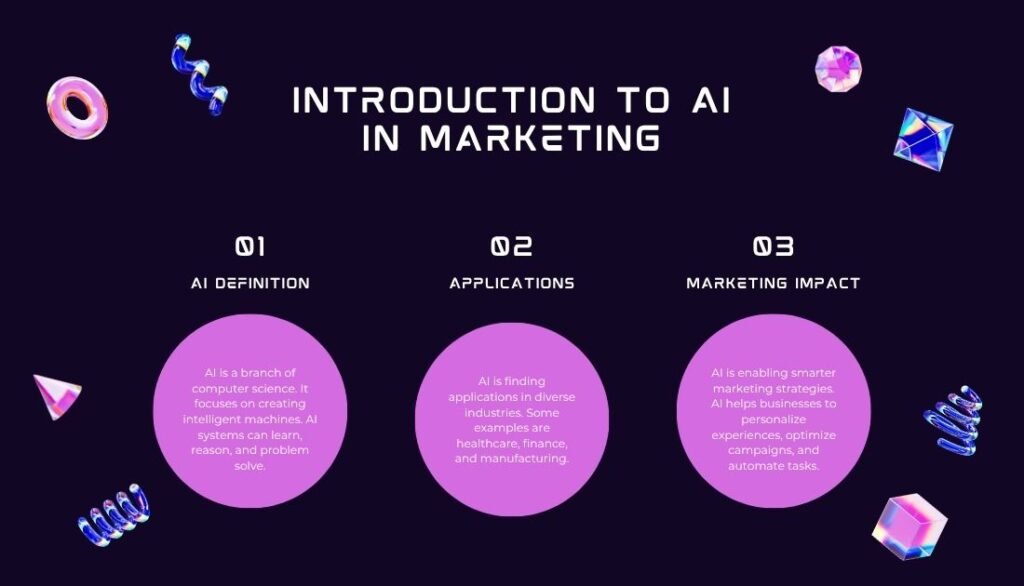
Artificial Intelligence (AI) in Marketing , is no longer a futuristic concept—it’s here, integrated into every layer of digital marketing. From keyword research to content creation, predictive analytics to personalization, AI is redefining how we plan, produce, and optimize digital campaigns.
But for seasoned SEO professionals and expert copywriters, AI isn’t about replacement—it’s about enhancement. The real power of AI lies in accelerating tasks, refining strategies, and opening up creative bandwidth.
In this blog, we explore 10 practical ways AI in marketing is transforming digital world, specifically through the lens of SEO and content expertise.
1. Smarter Keyword & Topic Research
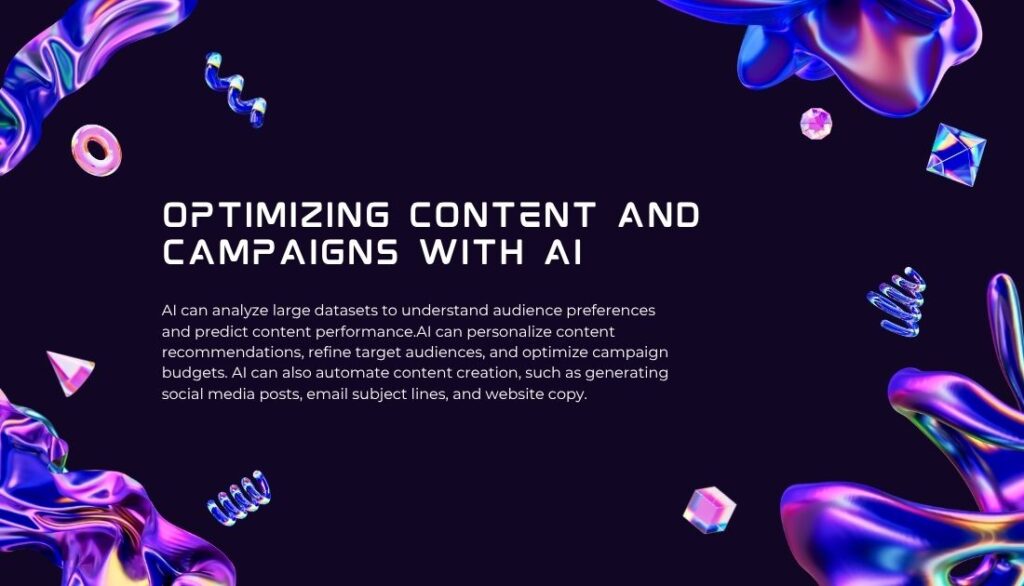
Traditional keyword research was manual, time-consuming, and often surface-level. AI tools now dive deep into search intent, semantic relevance, and query clustering—giving SEO professionals an edge.
Platforms like SEMRush, Ahrefs, and MarketMuse analyze millions of data points to:
- Discover long-tail keywords tied to real user questions.
- Identify content gaps in your niche.
- Map keywords to the user journey (informational, navigational, transactional).
This helps you go beyond volume-driven targeting and build content that aligns with how and why users search.
2. Content Creation at Scale
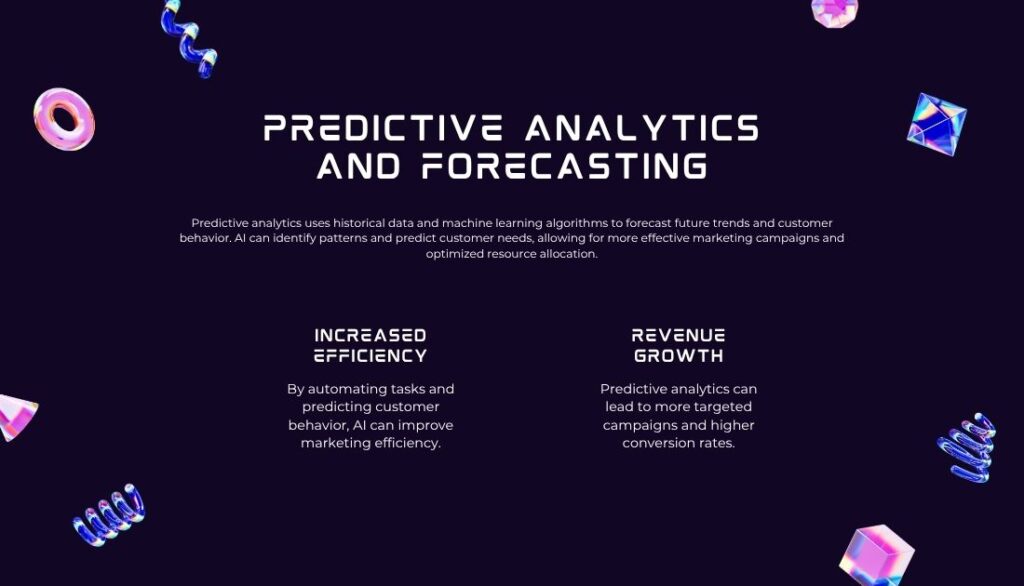
AI-powered writing assistants (like ChatGPT, Jasper, and Copy.ai) have revolutionized how quickly we can produce content. While AI can’t replace the nuance and tone of an expert copywriter, it’s perfect for:
- Creating first drafts, outlines, and content briefs.
- Generating headlines, meta descriptions, and CTAs.
- Scaling content production without burning out.
This means copywriters can focus more on refining tone, storytelling, and persuasion—the things machines still struggle with.
3. Semantic SEO and NLP Optimization
Search engines like Google are now context-driven, not just keyword-driven. AI leverages Natural Language Processing (NLP) to understand the relationship between entities, topics, and context.
Tools like Clearscope and SurferSEO use AI to:
- Score content based on topical relevance.
- Suggest related keywords, phrases, and entities.
- Align your content with Google’s semantic expectations.
This results in content that not only ranks—but resonates.
4. Hyper-Personalized User Experiences
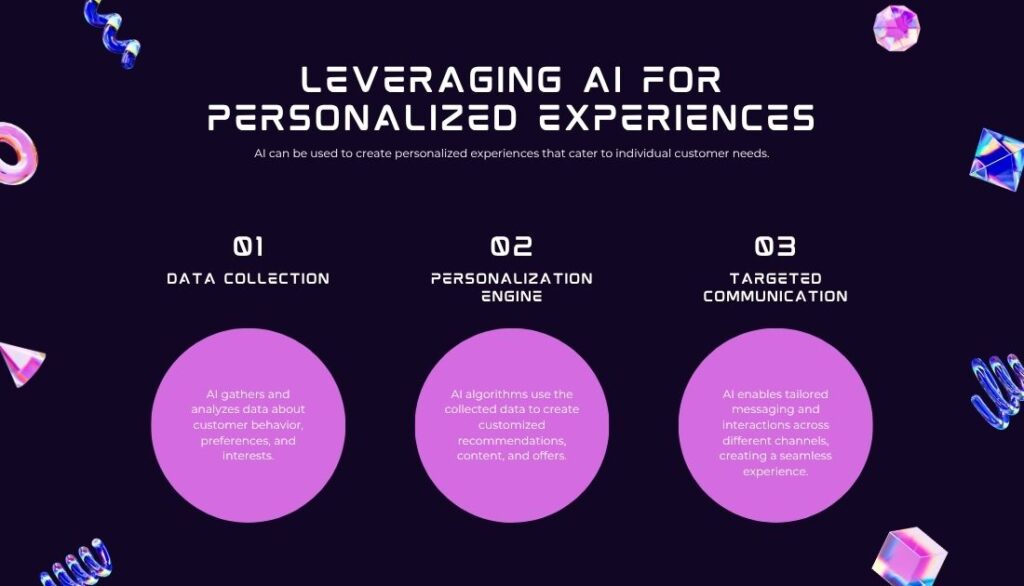
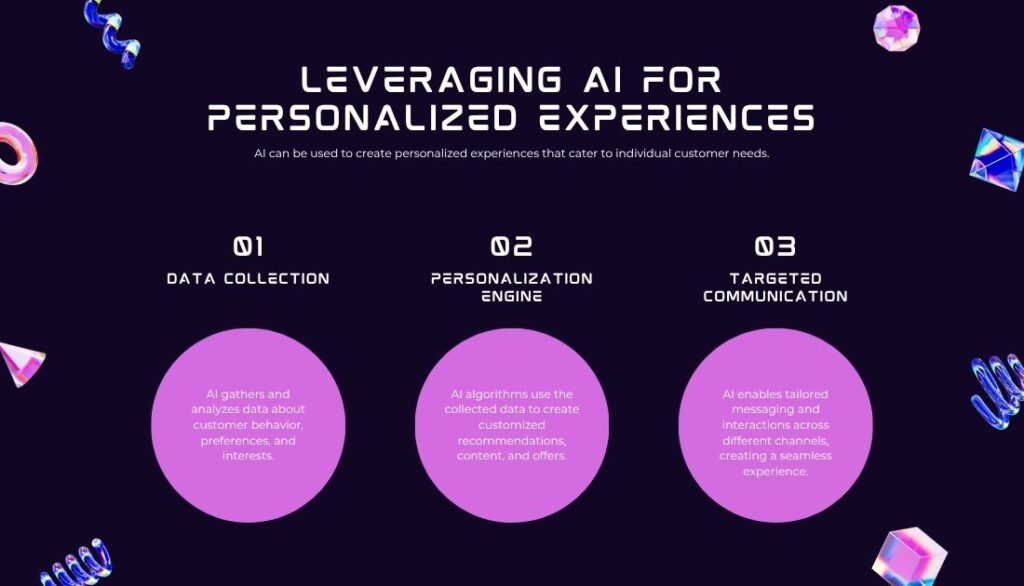
Personalization has moved beyond using someone’s first name in an email. AI analyzes behavior, preferences, location, and purchase history to deliver highly targeted experiences across channels.
For marketers, this means:
- Creating dynamic landing pages based on user segments.
- Personalizing email sequences with AI-generated product recommendations.
- Adapting website messaging in real-time.
For copywriters, it’s about writing modular, adaptable content blocks that AI can mix and match to suit different audience personas.
5. Predictive Analytics for Better Decisions
AI doesn’t just look at what’s happening now—it predicts what’s likely to happen next. Using tools like Google Analytics 4, Tableau, and HubSpot, marketers can forecast:
- Which pages will perform best.
- What content is likely to convert.
- When to launch or pause campaigns.
For SEO pros, this means proactive optimization instead of reactive fixes. For copywriters, it means understanding which formats, tones, or topics are trending before your competitors do.
6. Visual and Video Content Generation
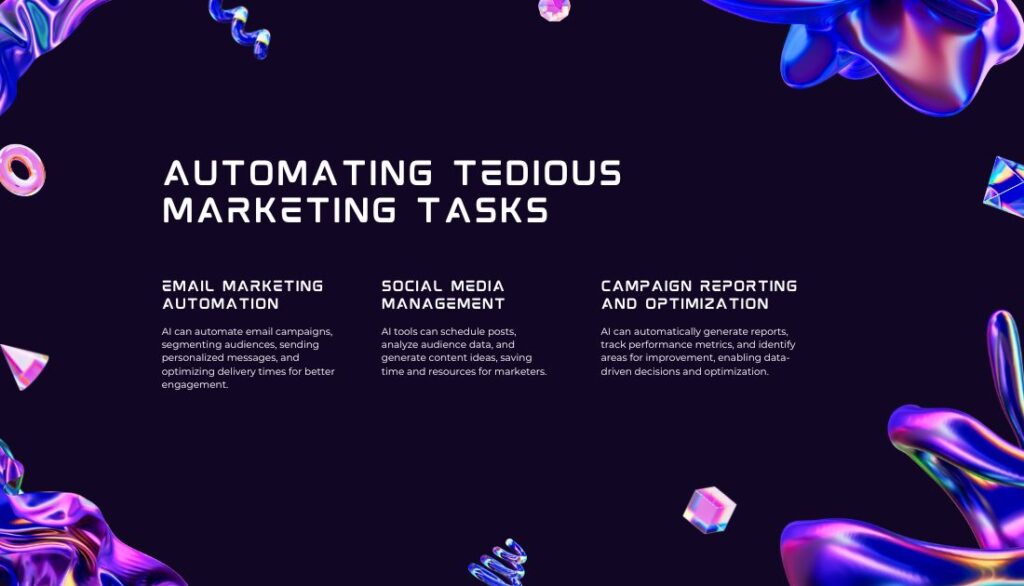
AI is making it easier to create high-quality visuals and videos—without a design team or production studio.
Tools like Canva AI, Runway, and Sora can:
- Generate social graphics, infographics, and thumbnails.
- Create videos using text prompts and templates.
- Automate captions, overlays, and editing.
SEO benefit? Videos boost dwell time and can be optimized for YouTube, Google’s video carousels, and even featured snippets. Copywriters can write scripts and captions that are discoverable and conversion-focused.
7. AI-Driven Technical SEO Audits
Technical SEO is often complex and tedious. AI now automates much of the diagnostic work, saving hours.
Platforms like Screaming Frog, Sitebulb, and JetOctopus use AI to:
- Identify crawl issues, redirects, and indexation problems.
- Analyze site structure and page performance.
- Suggest fixes based on priority and impact.
This allows SEO pros to focus on strategy, not spreadsheets—and to tie technical improvements directly to content and user experience.
8. Voice Search & Zero-Click Optimization
Voice assistants and AI-powered search are changing the SERP landscape. Many queries now result in zero-click searches—where users get their answer directly on Google, without visiting a site.
To adapt, marketers must:
- Optimize content for Featured Snippets and People Also Ask boxes.
- Write in conversational tones that match voice search queries.
- Use structured data (schema markup) for rich snippets.
Copywriters who craft FAQ-rich, succinct answers will help brands dominate these emerging formats.
9. AI-Powered A/B Testing and UX Insights
Optimizing performance doesn’t stop at publishing. AI tools like VWO, Optimizely, and Hotjar AI analyze how users interact with content—and test variations at scale.
Benefits include:
- Automatic testing of headlines, layouts, CTAs.
- Heatmaps and scroll depth analysis.
- Real-time insights on user engagement.
For copywriters and SEOs, this means faster feedback loops and data-backed content decisions.
10. Elevating EEAT with Human-AI Collaboration
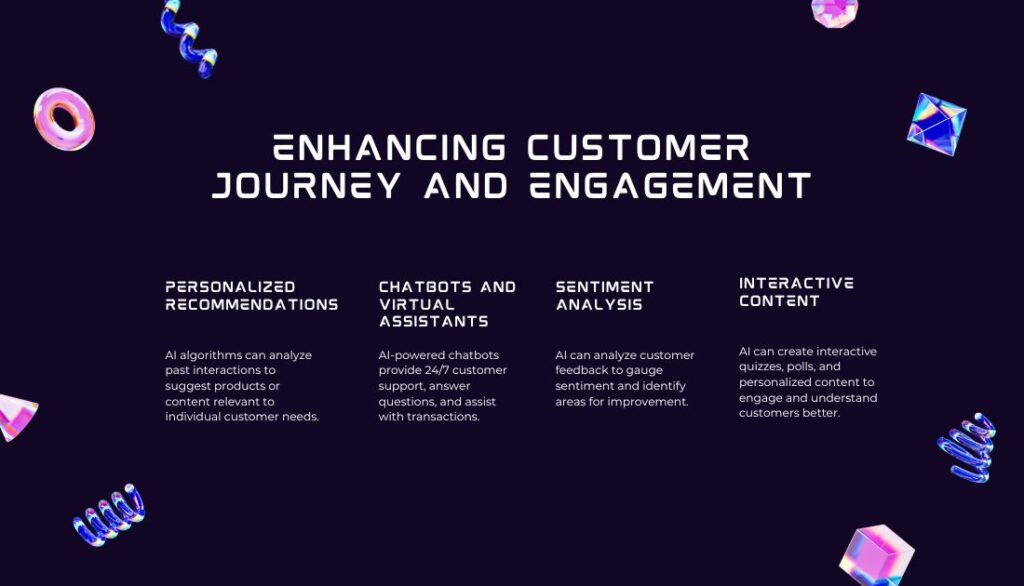
Google emphasizes EEAT—Experience, Expertise, Authoritativeness, and Trust. While AI can produce content fast, it lacks real-life insight and credibility.
To maintain EEAT:
- Use AI for support, not authorship.
- Always fact-check AI-generated content.
- Include human bios, credentials, and firsthand experience in posts.
The best results come from a hybrid model: AI-assisted production, human-led strategy.
Final Thoughts: AI Is Your Competitive Advantage—When Used Wisely
AI is changing the digital marketing playbook. But it’s not here to replace skilled professionals—it’s here to amplify their expertise.
For SEO specialists, AI streamlines technical audits, enhances keyword strategy, and uncovers new growth opportunities. For expert copywriters, AI accelerates production and ideation, freeing up time for deep strategy and brand storytelling.
The marketers who thrive in this AI-driven era will be those who use technology to scale impact—without compromising creativity, quality, or trust.
Looking to build an AI-powered SEO and content strategy that actually converts?
Let’s connect—I help brands combine automation with authenticity for results that last.
Let me know if you’d like this turned into a newsletter, carousel post, or downloadable PDF.